
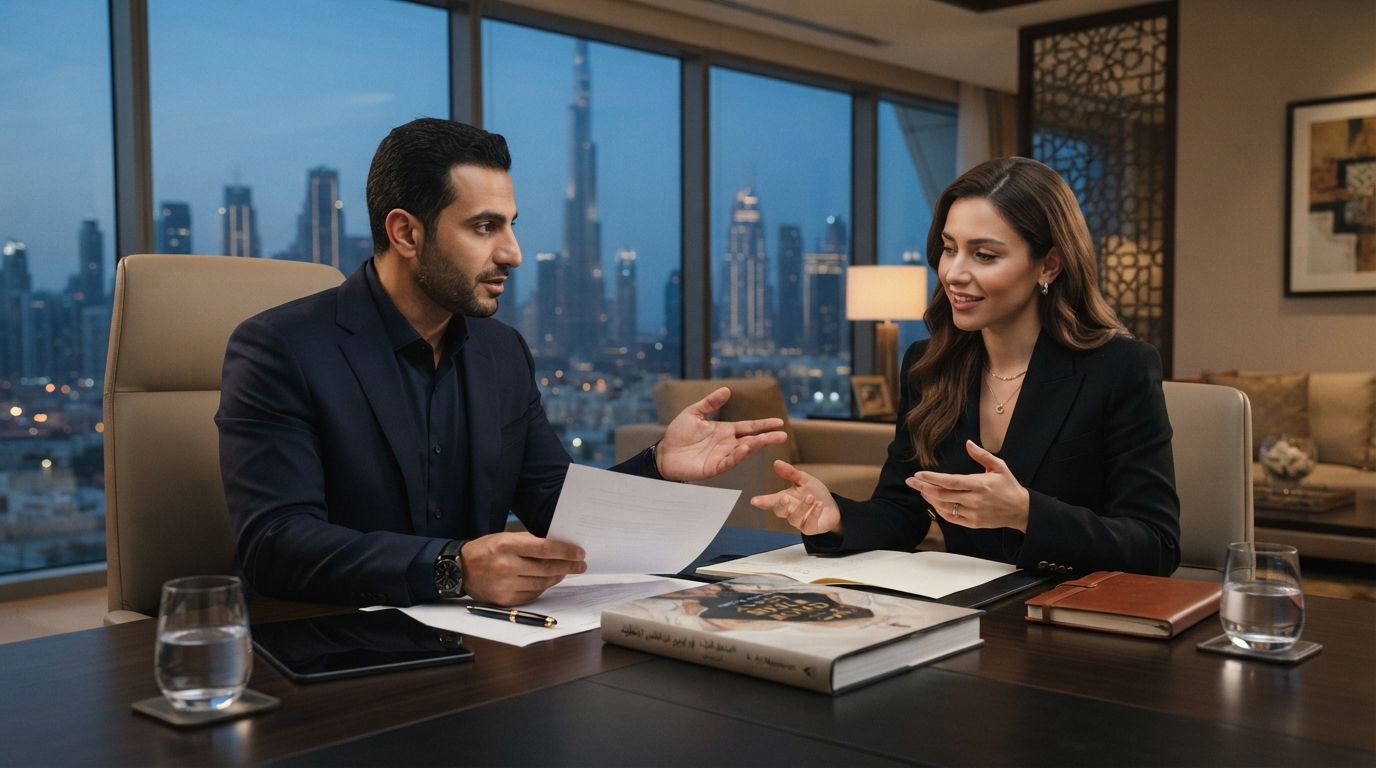
Introduction
The Middle Eastern media and entertainment landscape is undergoing an unprecedented renaissance. Driven by massive capital injections in the Gulf Cooperation Council (GCC) region—most notably in the Kingdom of Saudi Arabia (KSA) and the United Arab Emirates (UAE)—and supported by historic production hubs like Egypt and Lebanon, the demand for premium local content has reached an all-time high. Streaming giants like Shahid VIP, Starzplay, Netflix, and Amazon Prime Video are locked in a fierce battle for local subscribers, making high-quality, culturally resonant intellectual property (IP) the ultimate currency. At the center of this creative gold rush is the literary world.
For authors, literary agents, and publishers worldwide, this content boom raises a critical financial question: How Much Do Middle Eastern Producers Pay for Book Rights?
Unlike the highly systematized and transparent film rights markets of Hollywood or Western Europe, the Middle Eastern entertainment sector has historically operated on informal agreements, private negotiations, and closely guarded financial secrets. However, as the market matures, standard licensing frameworks are taking root. Today, the valuation of book rights in the MENA (Middle East and North Africa) region is determined by a complex interplay of platform backing, territorial scope, the author’s regional star power, and the specific medium of adaptation (e.g., feature film, limited series, or long-running soap opera). This comprehensive guide provides an exhaustive breakdown of the financial realities, legal structures, and negotiation strategies surrounding book-to-screen adaptations in the Middle East.
Understanding Book-to-Screen Rights in the MENA Region
To understand the monetary valuation of intellectual property in the Middle East, one must first understand the legal and operational mechanisms of the regional entertainment industry. Buying “book rights” does not mean selling the book itself; rather, it refers to licensing the dramatic adaptation rights of a literary work. This transaction is governed by intellectual property laws that vary significantly from Cairo to Riyadh.
The Two-Step Acquisition: Options vs. Purchase Agreements
In the Middle East, as in global markets, producers rarely buy book rights outright from the first meeting. Instead, they utilize a two-step acquisition process:
- The Option Agreement: This contract grants the producer the exclusive right to “shop” the book, develop a screenplay, and secure financing for a specified period (typically 12 to 24 months). During this time, the author cannot sell the rights to any other party. In the MENA region, option fees are generally modest, serving as a down payment to secure the property.
- The Purchase Agreement: If the producer secures financing and greenlights the project, they “exercise the option.” This triggers the purchase agreement, which transfers the dramatic rights in exchange for the full purchase price. If the option period expires without production being greenlit, the rights revert entirely to the author, who keeps the option fee.
The Legal Framework: Civil Law and Moral Rights
One of the most critical aspects of licensing book rights in the Middle East is the distinction between economic rights and moral rights. Most Middle Eastern countries, including Egypt (under Copyright Law No. 82 of 2002) and Saudi Arabia (under the Saudi Authority for Intellectual Property – SAIP), operate under civil law systems heavily influenced by the French legal tradition.
Under these systems, an author’s “moral rights” (the right to be credited as the creator and the right to prevent modifications that harm their reputation) are perpetual, inalienable, and cannot be sold. Therefore, contracts must be meticulously drafted to ensure the producer has the right to make necessary creative adaptations (such as changing character arcs or altering endings for cinematic pacing) without violating the author’s inalienable moral rights. Producers will pay a premium for contracts that include robust waiver clauses regarding adaptation flexibility.
How Much Do Middle Eastern Producers Pay for Book Rights? Financial Tiers
The financial compensation for book rights in the Middle East varies wildly. A low-budget indie film produced in Egypt will operate on a vastly different financial plane than a high-end historical drama funded by a Saudi-backed streaming platform. Below, we break down the estimated market rates into three primary tiers based on extensive industry analysis, producer surveys, and literary agency data.
Tier 1: Indie Films, Local Television, and Emerging Writers
Price Range: $2,000 to $10,000 USD
This tier represents the baseline of the Middle Eastern adaptation market. It typically applies to debut novelists, indie publishers, or literary fiction with niche appeal. The buyers in this category are usually independent production houses based in Egypt, Lebanon, or North Africa, or local terrestrial television networks.
In this tier, option fees can be as low as $500 to $1,500, with the final purchase price topping out around $10,000. These productions are highly localized, meaning the adaptation is intended solely for a single domestic market (e.g., local Egyptian TV during Ramadan) rather than broad regional or international distribution.
Tier 2: Mid-Range Commercial Films and Regional SVOD Series
Price Range: $15,000 to $50,000 USD
This is the most active segment of the modern MENA media market. It includes commercial genre fiction—such as psychological thrillers, historical romances, and crime procedurals—that has demonstrated strong sales performance in regional bookstores. The buyers are established regional production giants (e.g., Eagle Films, El Adl Group, Magna Production) or mid-tier regional streaming services.
For these properties, producers are willing to pay option fees ranging from $2,500 to $7,500. The final purchase price averages between $20,000 and $40,000. The rights acquired in this tier usually cover the entire pan-Arab region (MENA) and include streaming rights across regional platforms.
Tier 3: Blockbuster Features and Premium Global/Regional SVOD Originals
Price Range: $60,000 to $150,000+ USD
This elite tier is reserved for literary megastars, award-winning masterpieces (such as winners or nominees of the International Prize for Arabic Fiction – IPAF), and highly competitive intellectual properties. The buyers are global streaming giants (Netflix, Amazon Prime Video), major regional conglomerates (MBC Group, Shahid VIP), or heavily funded state-backed entities in the Gulf (such as Image Nation Abu Dhabi or Neom Media Industries).
In Tier 3, option fees can range from $10,000 to $25,000, with purchase prices frequently exceeding $100,000. For exceptionally high-profile properties, such as the works of bestselling authors like Ahmed Mourad or Saud Alsanousi, rights can command upwards of $200,000, occasionally supplemented by backend profit participation or executive producer credits.
| Market Tier | Estimated Option Fee (USD) | Estimated Purchase Price (USD) | Primary Buyers & Platforms | Typical Scope of Rights |
|---|---|---|---|---|
| Tier 1: Indie & Local | $500 – $1,500 | $2,000 – $10,000 | Local indie producers, national terrestrial TV (Egypt, Levant) | Single country, local broadcast rights, limited theatrical |
| Tier 2: Mid-Range Commercial | $2,500 – $7,500 | $15,000 – $50,000 | Regional studios (Eagle Films, El Adl Group), regional SVOD | Pan-Arab (MENA) rights, theatrical, regional streaming |
| Tier 3: Premium & Blockbuster | $10,000 – $25,000+ | $60,000 – $150,000+ | MBC Group, Shahid VIP, Netflix, Amazon Prime, Gulf entities | Worldwide rights, multi-language adaptation, perpetual streaming |
Key Factors Influencing Book Rights Valuation in the Middle East
When negotiating, both authors and producers must understand that the valuation of literary IP is not arbitrary. Several distinct regional factors dictate exactly where a book falls on the pricing spectrum.
1. Author Profile and Literary Awards
In the Arab world, literary prestige carries immense weight. Winning or being shortlisted for major regional awards—such as the International Prize for Arabic Fiction (often referred to as the “Arabic Booker”), the Sheikh Zayed Book Award, or the Naguib Mahfouz Medal for Literature—instantly elevates a book’s market value. Producers view these accolades as a stamp of narrative quality and built-in prestige, significantly lowering their development risk. A book associated with these awards can easily command a 50% to 100% premium over non-awarded peers.
2. Commercial Performance and “Bestseller” Status
While literary awards represent critical acclaim, commercial sales figures represent market demand. The Middle Eastern publishing market is notoriously fragmented, with reliable bestseller lists being difficult to compile. However, books that dominate major regional book fairs (such as the Cairo International Book Fair, Riyadh International Book Fair, and Sharjah International Book Fair) generate significant buzz. A book that has gone through multiple print runs (e.g., 10+ editions) signal to producers that there is an active, paying fan base eager to see the story visualized.
3. Genre and Production Feasibility
The genre of the book directly impacts both the adaptation budget and the rights valuation:
- Social Dramas and Contemporary Thrillers: These genres are highly sought after because they are relatively inexpensive to produce. They require contemporary locations, standard casting, and minimal special effects, making producers more willing to allocate a larger portion of their budget to acquiring the rights.
- Historical Fiction and Fantasy: While highly popular among readers, these genres require massive production budgets for period-accurate sets, costumes, and CGI. Consequently, unless the book is an absolute blockbuster, producers may offer lower upfront rights fees to offset the astronomical production costs.
4. Territorial Scope and Language Rights
Are the producers buying the rights to adapt the book only in its original Arabic language for the MENA region, or are they looking for global, multi-language rights? If a global streaming platform like Netflix acquires the rights, they will demand worldwide rights in perpetuity, allowing them to dub and subtitle the adaptation into dozens of languages. This global exposure commands the absolute highest tier of pricing. Conversely, a local producer buying rights solely for an Egyptian dialect TV series will pay significantly less.
The Negotiation Process: Key Clauses for Authors and Agents
When answering the question, “How Much Do Middle Eastern Producers Pay for Book Rights?”, one must look beyond the flat purchase price. The structure of the contract can dramatically alter the long-term financial yield of the deal. Literary agents and authors should pay close attention to the following crucial clauses during negotiations:
The “Setup” and “Kill” Dates
An option agreement must have a strict expiration date (the “setup” period), typically 12 to 18 months, with an option for a single extension in exchange for an additional fee. If the producer does not start principal photography by this date, the rights must automatically revert to the author. This prevents producers from “warehousing” IP—holding onto the rights indefinitely to prevent competitors from adapting it, without actually making the film themselves.
Credit and Billing
In the Middle Eastern entertainment industry, credit billing can sometimes be an afterthought, but it is vital for an author’s career. The contract must explicitly state how the author will be credited. Standard terminology includes “Based on the novel [Book Title] by [Author Name].” This credit should appear in the main titles of the film or series, on all promotional posters, and in metadata on streaming platforms.
Consulting and Screenwriting Roles
Many Middle Eastern authors are also accomplished screenwriters (Ahmed Mourad, for example, frequently writes the screenplays for his own book adaptations). If the author wishes to write or consult on the screenplay, this must be negotiated as a separate, additional contract with its own fee structure. Combining book rights and screenwriting services into a single flat fee is a common pitfall that authors should avoid.
Sequel, Prequel, and Spin-off Rights
If the adaptation is a massive success, the producer will inevitably want to create sequels or spin-offs. The original contract should clearly define who owns these derivative rights. Best practice dictates that the producer must pay an additional, pre-negotiated percentage of the original purchase price (typically 50% to 75%) for any sequel or prequel produced, rather than gaining these rights for free.
Case Studies: Successful Middle Eastern Book-to-Screen Adaptations
Analyzing real-world examples highlights how literary IP translates into commercial and financial success in the Middle East.
Case Study 1: “The Blue Elephant” (Ahmed Mourad)
Ahmed Mourad’s psychological thriller The Blue Elephant (Al-Fil Al-Azraq) is the gold standard of modern Arab book-to-screen adaptations. Published in 2012, the novel was shortlisted for the International Prize for Arabic Fiction. The film adaptation, released in 2014 and directed by Marwan Hamed, became a massive box office hit in Egypt and the wider Arab world.
The sequel, The Blue Elephant 2 (2019), became the first Egyptian film in history to surpass 100 million Egyptian pounds in box office revenues. Because of the book’s immense success, Mourad secured not only a premium rights fee but also established himself as the premier screenwriter for his own adaptations, maximizing his financial return through multiple revenue streams.
Case Study 2: “Paranormal” (Ahmed Khaled Tawfik)
The late Ahmed Khaled Tawfik is widely regarded as the pioneer of Arabic science fiction and horror. His legendary pocket novel series, Ma Wara’ al-Tabi’a (Paranormal), had a massive, cult-like following across the Arab world.
When Netflix decided to produce its first-ever Egyptian original series, they chose to adapt this beloved IP. Because of the massive scale of the project and Netflix’s global distribution model, the rights acquisition for this series fell squarely into the highest premium tier. The success of Paranormal demonstrated to global platforms that rich, serialized Arabic literature is a goldmine for high-value streaming content.
Case Study 3: “The Bamboo Stalk” (Saud Alsanousi)
Kuwaiti author Saud Alsanousi’s novel The Bamboo Stalk won the prestigious International Prize for Arabic Fiction in 2013. Dealing with complex issues of identity, race, and religion in the Gulf, the book was highly controversial but critically acclaimed.
The dramatic rights were acquired for a high-profile television drama series that aired during the peak Ramadan viewing season. The adaptation proved that Gulf-based literary works, when tackled with sensitivity and high production values, could command premium rights fees from major regional broadcasters looking for prestige drama.
Key Takeaways
- Market Valuations are Tiered: Rights prices range from $2,000 for local indie films to over $150,000 for premium, global streaming originals backed by major networks like MBC, Shahid, or Netflix.
- Awards Equal Value: Prestige literary awards such as the International Prize for Arabic Fiction (IPAF) or the Sheikh Zayed Book Award significantly boost an author’s leverage and pricing tier.
- Protect Your Moral Rights: Given the civil law systems of the MENA region, contracts must carefully balance the author’s inalienable moral rights with the producer’s need for creative adaptation flexibility.
- Structure Option Deals Wisely: Never sell rights outright immediately. Use a 12-to-24-month option agreement with a clear expiration (“kill”) date to ensure your property isn’t locked up indefinitely.
- Retain Derivative Rights: Ensure that sequels, prequels, and spin-off rights are kept separate or require additional, pre-negotiated payments.
Frequently Asked Questions
1. How much do Middle Eastern producers pay for book rights on average?
On average, mid-range commercial book rights in the Middle East sell for between $15,000 and $50,000 USD. However, low-budget indie productions can be as low as $2,000, while premium streaming adaptations backed by platforms like Shahid or Netflix can exceed $150,000 USD.
2. What is the difference between an option fee and a purchase price?
An option fee is a small, upfront payment (usually 10% to 15% of the total purchase price) paid to secure the exclusive right to develop the book into a screenplay for a set period. The purchase price is the larger, final sum paid only if the project is greenlit for actual production.
3. Do Middle Eastern authors receive backend royalties or profit-sharing?
Backend profit participation (receiving a percentage of the film’s box office or streaming profits) is still rare in the Middle Eastern entertainment industry due to a lack of transparent accounting practices. Most authors prefer to negotiate a higher guaranteed upfront flat fee rather than relying on backend profits.
4. Can an author write the screenplay for their own book adaptation?
Yes, but this must be negotiated under a separate contract. Screenwriting is a distinct professional service, and authors should ensure they are paid separately for writing the script, rather than bundling it into the initial book rights fee.
5. How do streaming platforms like Netflix and Shahid affect rights pricing?
The entry of global and regional SVOD platforms has dramatically driven up prices. Because these platforms require worldwide, perpetual, multi-language rights, they pay premium prices (Tier 3), often double or triple what traditional local terrestrial broadcasters would offer.
6. Who owns the rights to a book translation in an adaptation?
By default, the author or the original publisher owns the translation rights. If a producer wants to adapt an Arabic book into an English-language film, they must specifically acquire the translation adaptation rights, which commands an additional fee.
Conclusion
The Middle Eastern entertainment industry is no longer a localized, informal market. It has evolved into a highly competitive, sophisticated arena where intellectual property is the ultimate differentiator. As producers and streaming networks look to capture the hearts of millions of viewers across the MENA region, they are increasingly turning to the rich, diverse world of Arabic literature.
For authors and rights-holders, understanding How Much Do Middle Eastern Producers Pay for Book Rights? is the first step toward securing a fair, lucrative, and career-defining deal. By partnering with experienced literary agents, understanding the regional legal nuances of moral rights, and structuring agreements with clear boundaries, creators can ensure their stories are not only brought to life on screen but are also valued at their true worth in this exciting new golden age of Arab cinema and television.


